Syllabus of week 13: 👀

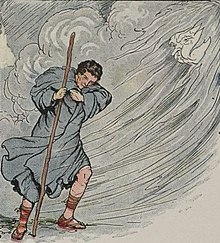
⏩north wond and sun: is one of Aesop's Fables (Perry Index 46). It is type 298 (Wind and Sun) in the Aarne-Thompson folktale classification.[1] The moral it teaches about the superiority of persuasion over force has made the story widely known. It is also the chosen text for phonetic transcriptions.

⏩ The Ass Eating Thistle

Developed
by authors during Renaissance times, the story of an ass
eating thistles was a late addition to collections of Aesop's
Fables. Beginning as a condemnation of miserly behaviour, it eventually was
taken to demonstrate how preferences differ.

It
happened that a Fox caught its tail in a trap, and in struggling to release
himself lost all of it but the stump. At first he was ashamed to show himself
among his fellow foxes. But at last he determined to put a bolder face upon
his misfortune, and summoned all the foxes to a general meeting to consider a
proposal which he had to place before them. When they had assembled together
the Fox proposed that they should all do away with their tails. He pointed
out how inconvenient a tail was when
they were pursued by their enemies, the dogs; how much it was in the way when they desired to sit down and hold a friendly conversation with one another. He failed to see any advantage in carrying about such a useless encumbrance.
"That
is all very well," said one of the older foxes; "but I do not think
you would have recommended us to dispense with our chief ornament if you had
not happened to lose it yourself."
There
was a farmer who was trapped on his country estate by a winter storm. He
didn't have any food, so first he ate his sheep, then his goats. When the
storm got worse, he even slaughtered the oxen who pulled his plow. When the
dogs saw what was happening, they said to one another, 'Let's get out of here
now! Since we can see that the master didn't even spare the oxen who labour
on his behalf, how can we expect to be spared?'
The story shows that you should especially avoid someone who does not even spare his own people.
Hansel and Gretel are a young brother and sister kidnapped by a cannibalistic witch
living deep in the forest in a house constructed of cake and confectionery. The
two children save their lives by outwitting her.
➜➜is a
well-known fairy tale of German origin, recorded by the Brothers Grimm and published in 1812. Hansel and Gretel
are a young brother and sister kidnapped by a cannibalistic witch living deep in the forest in a
house constructed of cake and confectionery. The two children save their lives by outwitting her. The tale has been adapted to various media,
most notably the opera Hänsel und Gretel (1893) by Engelbert Humperdinck and a stop-motion animated feature film
made in the 1950s based on the opera. Under the Aarne–Thompson classification system, "Hansel and Gretel" is classified
under Class 327.
|

沒有留言:
張貼留言